Reimagining Waste: The Critical Role of E-Waste Recycling in the Contemporary Digital Landscape
E-waste has grown into a significant problem in the age of electronics. Discarded electronics accumulate, often containing hazardous materials that endanger the natural world. Recycling these devices presents both challenges and opportunities. It not only addresses pollution but also aids in resource conservation. Grasping the intricacies of electronic waste recycling highlights its vital importance in building a sustainable tomorrow. What are the most effective strategies for individuals and businesses to engage in this crucial practice?
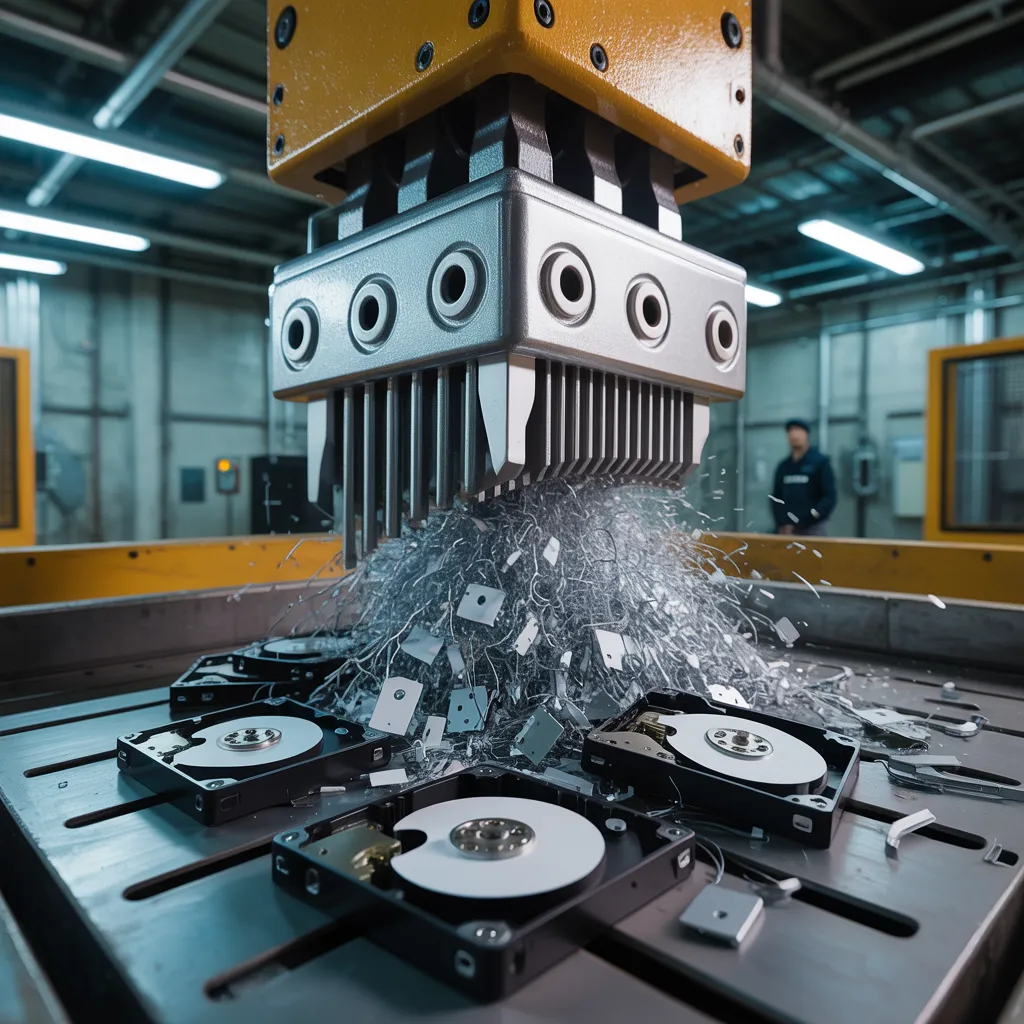
Understanding E-Waste and Its Importance
E-waste, or electronic waste, refers to discarded electrical or electronic devices, including computers, smartphones, and televisions. This classification of waste is increasing significantly, propelled by innovations in technology and heightened consumer desire for upgraded devices. As consumers upgrade their gadgets, the quantity of electronic waste created yearly increases substantially, posing significant challenges for waste management systems.
The critical nature of managing e-waste is rooted in the environmental and health risks it poses. Many electronic devices contain toxic substances, like lead, mercury, and cadmium, which may seep into the ground and water supply if not handled properly. In addition, electronic waste signifies the squandering of precious resources, including precious metals and rare earth elements. Effective management of e-waste is therefore essential not only for environmental protection but also for resource recovery. Raising awareness about e-waste encourages responsible disposal and recycling practices, thereby minimizing adverse consequences for both ecosystems and human well-being.
The Role of E-Waste Recycling in Mitigating Environmental Impact
E-waste recycling plays an essential role in minimizing the volume of hazardous substances that reach landfills, thus safeguarding the quality of soil and water. Moreover, it preserves precious natural resources through the recovery of metals and components for reuse. This method further advances sustainable initiatives, fostering a circular economy that serves both ecological and societal interests.
Decreasing Toxic Waste in Landfills
A considerable amount of global electronic waste finds its way into landfills, where it creates significant environmental hazards. Discarded electronics carry dangerous chemicals such as mercury, lead, and cadmium, which can contaminate the soil and groundwater, contaminating ecosystems and endangering community health. By recycling electronic devices, these toxic materials can be safely managed and kept out of landfills. Electronic waste recycling centers recover useful materials while ensuring that toxic elements are handled according to environmental regulations. This process not only limits environmental damage but also promotes responsible disposal practices among consumers. As the volume of e-waste grows, responsible recycling is increasingly critical in minimizing hazardous landfill materials and shielding the environment from the hazards posed by discarded electronics.
Conserving Natural Resources
Recycling e-waste is critically important in conserving natural resources, as it allows for the recovery of valuable materials that can be utilized in the creation of new devices. High-value metals such as gold, silver, and copper, often found in e-waste, can be extracted and repurposed, reducing the need for mining. This not only reduces the ecological footprint connected to resource extraction but also helps to preserve ecosystems. Additionally, e-waste recycling decreases the demand for raw materials, which are often limited and subject to geopolitical tensions. By utilizing available materials, the recycling of electronic waste supports a more sustainable approach to resource management, guaranteeing that coming generations can access the raw materials required for technological advancement.
Encouraging Sustainable Practices
Addressing environmental consequences relies on the responsible recycling of electronic devices, which significantly decreases pollution and preserves energy. E-waste recycling recovers valuable materials, such as metallic components and plastic materials, decreasing reliance on natural resource extraction and mitigating ecological harm. Through keeping electronic equipment out of landfills, the hazardous elements contained in them—such as mercury and lead—are stopped from tainting soil and groundwater. Additionally, recycling programs foster a circular economy, inspiring eco-friendly habits among both consumers and manufacturers. Public awareness campaigns play a pivotal role in promoting responsible disposal, making it easier for individuals to participate in e-waste recycling. Collectively, these endeavors assist in diminishing the carbon footprint and foster a cleaner environment for those who follow.
How E-Waste Recycling Preserves Natural Resources
Electronic waste recycling plays a critical role in preserving natural resources by reclaiming valuable metals that can be repurposed in new manufacturing. This process markedly reduces the demand for raw materials, thus reducing the ecological impact connected to resource mining and extraction. In the end, responsible e-waste recycling supports a more environmentally conscious resource management framework.
Extracting Precious Metals
With the advancement of technology, the buildup of electronic waste has become a pressing issue, highlighting the importance of recovering precious metals from electronic discards. E-waste contains valuable materials such as gold, silver, and palladium, which are essential in a wide range of industries. Traditional mining for these metals is resource-intensive and harmful to the environment. In contrast, recycling e-waste presents a sustainable alternative, allowing for the extraction of these precious metals with a considerably lower environmental footprint. By reclaiming these materials, e-waste recycling not only conserves finite resources but also minimizes the demand for new mining operations. This process supports a circular economy, promoting the responsible use of materials and nurturing a more sustainable approach to technology consumption and waste management.
Lowering Raw Material Usage
A considerable decrease in the demand for raw materials can be realized through efficient e-waste recycling. By reclaiming useful resources such as metals, plastics, and glass from abandoned electronic devices, e-waste recycling minimizes the reliance on mining and processing raw materials. This not only protects natural habitats but also decreases energy consumption linked to raw material extraction. For instance, recycling one million cell phones can reclaim 24 kilograms of gold, markedly reducing the demand for new gold mining. Additionally, as electronic devices continue to increase, the significance of recycling becomes progressively vital. Ultimately, a robust e-waste recycling program can help establish a circular economy, confirming that resources are employed productively and conscientiously, thereby mitigating the environmental impact of resource depletion.
How E-Waste Recycling Reduces Pollution
When electronic devices are disposed of improperly, harmful pollutants can leach into the environment, presenting considerable dangers to human health and the environment. Electronic waste recycling reduces these risks by guaranteeing that dangerous substances, like lead, mercury, and cadmium, are handled safely. By recycling e-waste, these toxic elements are extracted and processed, reducing their likelihood of contaminating soil and water sources.
Furthermore, the recycling of electronics reduces the need for incineration, which can discharge dangerous contaminants into the surroundings. The process also conserves natural reserves by reclaiming important metals and elements, thereby lowering the reliance for extraction and processing operations that regularly cause ecological damage.
What Are Effective Ways for Individuals to Participate in E-Waste Recycling?
Individuals have a significant part in the e-waste disposal and recycling process, contributing to environmental protection and resource conservation. To participate effectively, they can initiate the process by identifying and segregating e-waste items, such as outdated phones, computers, and batteries, from everyday waste. Numerous local governments and organizations offer designated drop-off locations or collection events exclusively for electronic waste, enabling individuals to recycle in a responsible manner.
Moreover, people can become informed about suitable disposal approaches and the environmental concerns related to improper e-waste disposal. Getting involved in community efforts or advocacy groups can significantly boost awareness and support stronger recycling practices. Furthermore, people may want to give functional gadgets to nonprofits or schools, prolonging Explore now their useful life and minimizing waste. By exercising informed judgment and pursuing proactive initiatives, people can significantly influence e-waste reduction and support a more sustainable future.
Effective E-Waste Recycling Strategies for Businesses
Instructing employees on correct waste management practices fosters a atmosphere of eco-consciousness within the business. Additionally, businesses can implement collection programs, prompting consumers to send back outdated electronics, thereby fostering a resource-efficient model.
Adopting energy-efficient technologies can further decrease future e-waste generation. By integrating these strategies, organizations not only meet compliance standards but also emerge as pioneers in environmental responsibility. At its core, proper e-waste management can generate significant financial benefits and a stronger brand presence, bringing business operations in line with consumer expectations.
Emerging Trends in E-Waste Management and Recycling
With technology continuing to advance at an accelerating rate, emerging trends in e-waste management and recycling are placing greater emphasis on innovation and sustainability. One significant trend is the development of advanced recycling technologies that enhance the extraction of valuable materials from electronic waste. Methods including hydrometallurgy and bioleaching are becoming increasingly popular, enabling more effective recovery of metals such as gold and copper.
Additionally, organizations are implementing circular economic models, which center around designing products for lasting use and ease of repair. This transformation minimizes electronic waste and inspires producers to take ownership of their products once they reach the end of their useful life.
Additionally, increased partnership between industries, governments, and consumers is projected to improve regulatory frameworks and streamline recycling processes. Public education efforts will additionally play a significant role in encouraging responsible disposal practices. Collectively, these advancements aim to forge a more sustainable path forward, addressing the growing challenges posed by electronic waste.
Common Questions and Answers
What Kinds of Devices Fall Under the Category of E-Waste?
Electronic waste includes discarded electronic devices such as televisions, computers, smartphones, gaming consoles, tablets, and printers. Moreover, appliances including refrigerators and microwaves are also classified as e-waste, contributing to environmental concerns if not properly recycled.
How Are E-Waste Recycling Practices Regulated?
Electronic waste recycling is governed by numerous regulations and guidelines that require responsible disposal practices, encourage manufacturer responsibility, and promote environmentally safe practices. Adhering to these regulations ensures dangerous components are processed safely, limiting ecological damage and safeguarding community well-being.
What Are the Hazards of Improper E-Waste Disposal?
Improper e-waste disposal poses significant risks, such as environmental pollution caused by toxic substances, health hazards to communities, and the loss of valuable resources. These repercussions emphasize the pressing demand for conscientious recycling methods and oversight policies.
Is It Possible to Donate or Reuse E-Waste?
Absolutely, e-waste is eligible for donation and reuse. Many organizations accept functional electronics, redistributing them to those in need. This method not only increases the longevity of electronics but also reduces environmental impact through responsible disposal.
What Certifications Are Required for E-Waste Recyclers?
E-waste recyclers should have certifications including R2 (Responsible Recycling), e-Stewards, and ISO 14001. Such qualifications establish compliance with ecological standards, facilitating proper handling, processing, and elimination of electronic waste in support of sustainable operations.